Key Takeaways
- Myopia happens when the eyeball grows too long. This physical change is permanent.
- LASIK corrects blurry vision but does not change the shape or length of the eye.
- Myopia control options like MiSight lenses, Stellest lenses, and ortho-k can help slow progression in children.
- High myopia raises the risk of serious eye diseases later in life.
- Annual exams with an optometrist help catch changes early and guide a treatment plan.
Myopia is Permanent
Myopia cannot be reversed. There is, however, a lot you can do to slow the progression of myopia in children and protect their vision over the long-term.
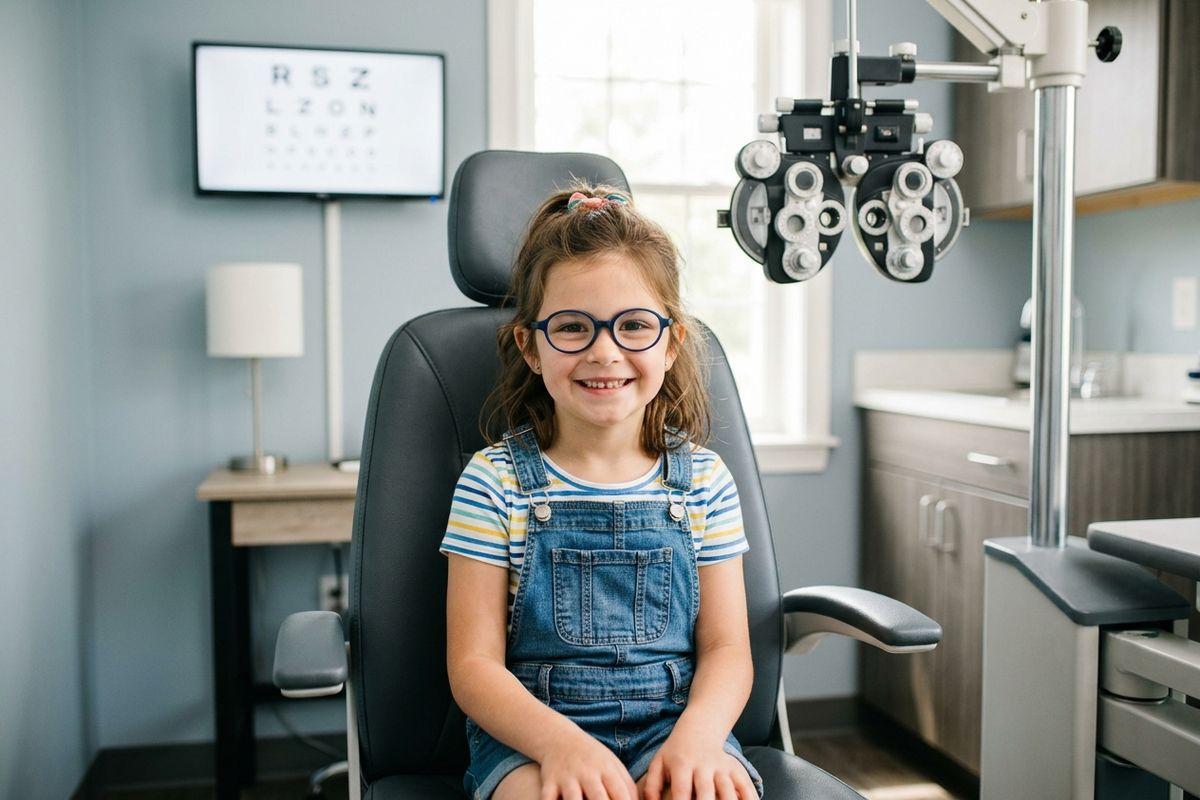
At Towne and Country Eyecare Associates, we work with families across Spencerport and Monroe County who are navigating myopia-related changes. A comprehensive eye exam can give you a clear baseline and help track how things are changing over time.
What Is Myopia, Exactly?
Myopia, also called nearsightedness, happens when the eyeball grows longer than it should. This causes light to land in front of the retina (the light-sensitive tissue at the back of the eye), rather than directly on it. This makes distant objects look blurry, while close-up objects remain clear.
Myopia often starts in childhood and tends to get worse through the teenage years.
Why Myopia Cannot Be Reversed
The Structural Changes Are Permanent
Once your eye grows too long, it can’t revert its shape. There are no drops, no diet, and no exercises that can change the physical length of the eye. That’s not a limitation of modern medicine; it’s simply how the eye works.
This is why the focus of myopia management is on management rather than reversal. Slowing down how fast the eye grows during childhood matters far more than trying to undo growth that has already happened. Myopia is one of the most common vision conditions in children, and early action during the growing years can shape how the prescription develops over time.
What About LASIK?
LASIK is a laser surgery that reshapes the cornea, the clear front surface of the eye, so that light bends correctly. It can give you sharp vision without glasses or contacts. However, LASIK doesn’t shrink the eyeball or change its underlying structure, so it doesn’t reduce any risks that a person may have due to having myopia.
The Real Risks of Letting Myopia Progress
Blurry distance vision is the obvious problem, but it’s not the only one. Higher levels of myopia put strain on the eye, and over time, that strain can increase a person’s risk of serious conditions, including retinal detachment, glaucoma, cataracts, and myopic macular degeneration.
Research projects that myopia will affect nearly half the world’s population by 2050, and the risks tied to high myopia are growing along with these numbers.
These risks are not inevitable, but they do go up as the prescription gets higher. That’s why taking action during childhood, when the eye is still growing, can make a meaningful difference in your child’s eye health for decades to come.
Myopia Control Options Worth Knowing About
Myopia control is not one-size-fits-all. Several options are available, and the right fit depends on age, lifestyle, and how fast the prescription is changing.
The myopia management options at Towne and Country Eyecare Associates include MiSight 1-Day contact lenses, orthokeratology (ortho-k), Stellest spectacle lenses, and low-dose atropine therapy, allowing us to tailor treatment to each child’s needs.
MiSight 1-Day Lenses
MiSight lenses are daily soft contact lenses approved for children as young as 8. They use a dual-focus design, meaning part of the lens corrects vision while another part sends a signal to the eye to slow its growth. Your child gets clear vision during the day and a contact lens that’s doing double duty.
These lenses are single-use, so there’s no cleaning routine at night. For many kids, that makes them easy to stick with long-term.
Orthokeratology
Orthokeratology, or ortho-k, uses rigid contact lenses worn only at night. While your child sleeps, the lenses gently reshape their cornea. In the morning, the lenses come out and your child’s vision is clear for the day, no glasses or contacts needed. The reshaping effect fades over time, so the lenses go back in each night to maintain it.
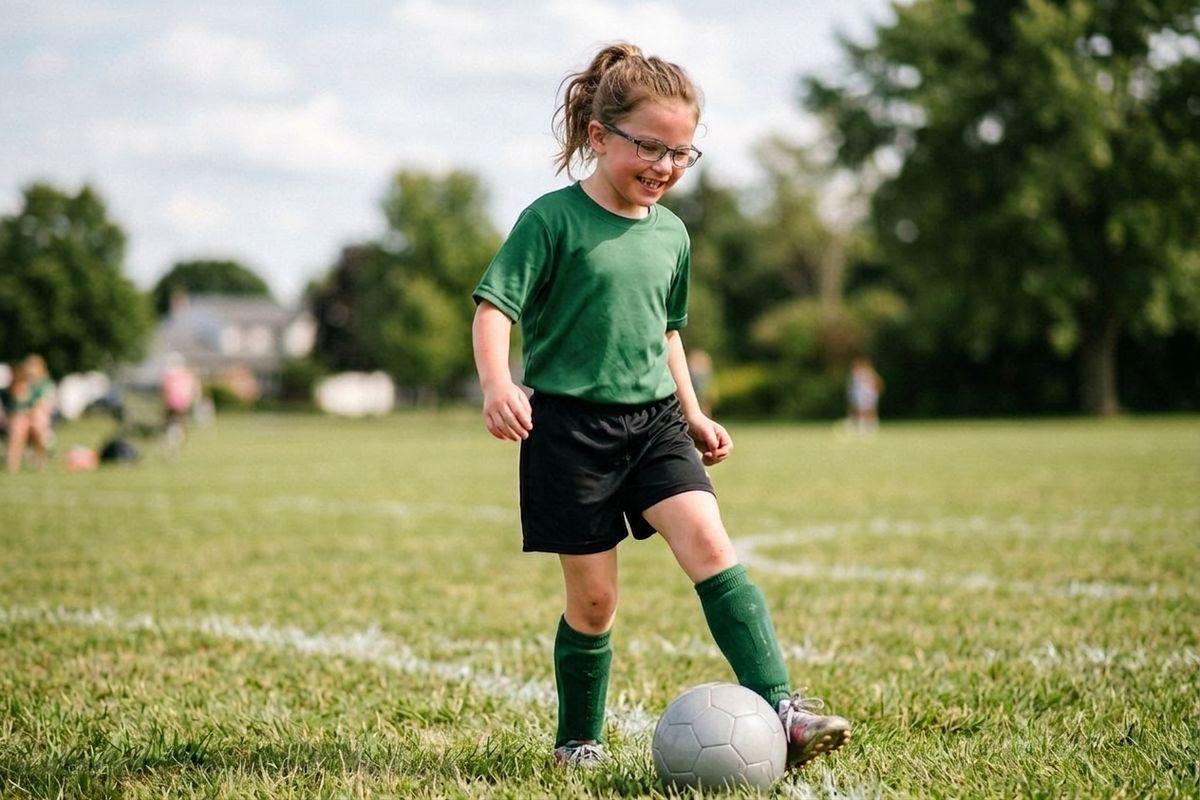
Ortho-k is a popular option for active kids and teens who prefer to go glasses-free during sports or school.
Stellest Lenses
Stellest lenses are specially designed eyeglass lenses that use highly aspherical lens technology to help slow myopia progression while providing clear vision. They’re a good option for children who prefer wearing glasses instead of contact lenses, making myopia management more accessible for many families.
Low-Dose Atropine Drops
Low-dose atropine eye drops are another option for managing myopia progression. Applied once daily, these medicated drops help slow the eye’s growth, reducing how quickly myopia worsens over time. They don’t correct vision on their own, so children typically continue wearing glasses or contact lenses as needed.
In some cases, low-dose atropine may be used alongside other myopia control treatments, such as MiSight lenses, ortho-k, or Stellest lenses. During your child’s eye exam, we’ll recommend the approach, or combination of approaches, that best fits their age, prescription, lifestyle, and risk of progression.
When Myopia Stabilizes and When to Get Checked
When Myopia Typically Stops Progressing
For most people, myopia slows down and levels off sometime in the early-to-mid 20s. The fastest years of progression are typically between ages 6 and 16. That window is also when myopia control has the most potential to make a difference.
Waiting to see if your child’s prescription “just stays the same” is a gamble. Regular monitoring keeps you from finding out too late that things have changed.
Schedule an Exam with Optometrists in Spencerport
Annual eye exams are the most practical way to track myopia before it gets ahead of you. A lot can change in 12 months, especially for school-age kids.
At Towne and Country Eyecare Associates, Dr. Mary Vadas, Dr. Megan Hart, and Dr. Mikayla Kemp review each patient’s prescription history and lifestyle to recommend the myopia management approach that fits best. If you’re in Spencerport or the surrounding Monroe County area, requesting a comprehensive eye exam is a simple first step toward getting a clearer picture of where things stand.