Key Takeaways
- Myopia causes blurry distance vision. Hyperopia causes blurry close-up vision.
- Both are caused by the shape of the eyeball, not screen time or reading habits alone.
- Kids with myopia have options beyond glasses, including MiSight lenses and ortho-k, to help slow progression.
- Annual eye exams catch changes early, especially in children whose vision can shift quickly.
Two Common Vision Problems, One Key Difference
Maybe your child squints at the whiteboard in class. Or maybe you have to hold your phone farther away these days to read a text. Both situations point to what is called a refractive error: a term that means that light isn’t landing correctly on the back of your eye. Refractive errors cause blurry vision.
Myopia and hyperopia are both refractive errors, but they affect your vision at different distances. Myopia causes blurriness in your distance vision, while hyperopia causes blurriness in your close-up vision. Both conditions are caused by the shape of your eyeball.
If you’re suffering from blurry vision at one or more distances, a comprehensive eye exam with our team at Towne and Country Eyecare Associates can help you figure out what’s going on.
Myopia: What It Is and Who It Affects
How Myopia Works
In people with myopia, the eyeball is slightly too long from front to back. Because of this extra length, the eye focuses light in front of the retina (the light-sensitive tissue at the back of your eye) rather than directly on it.
The result is that people with myopia have normal close-up vision, but blurry distance vision.
Signs Your Child May Have Myopia
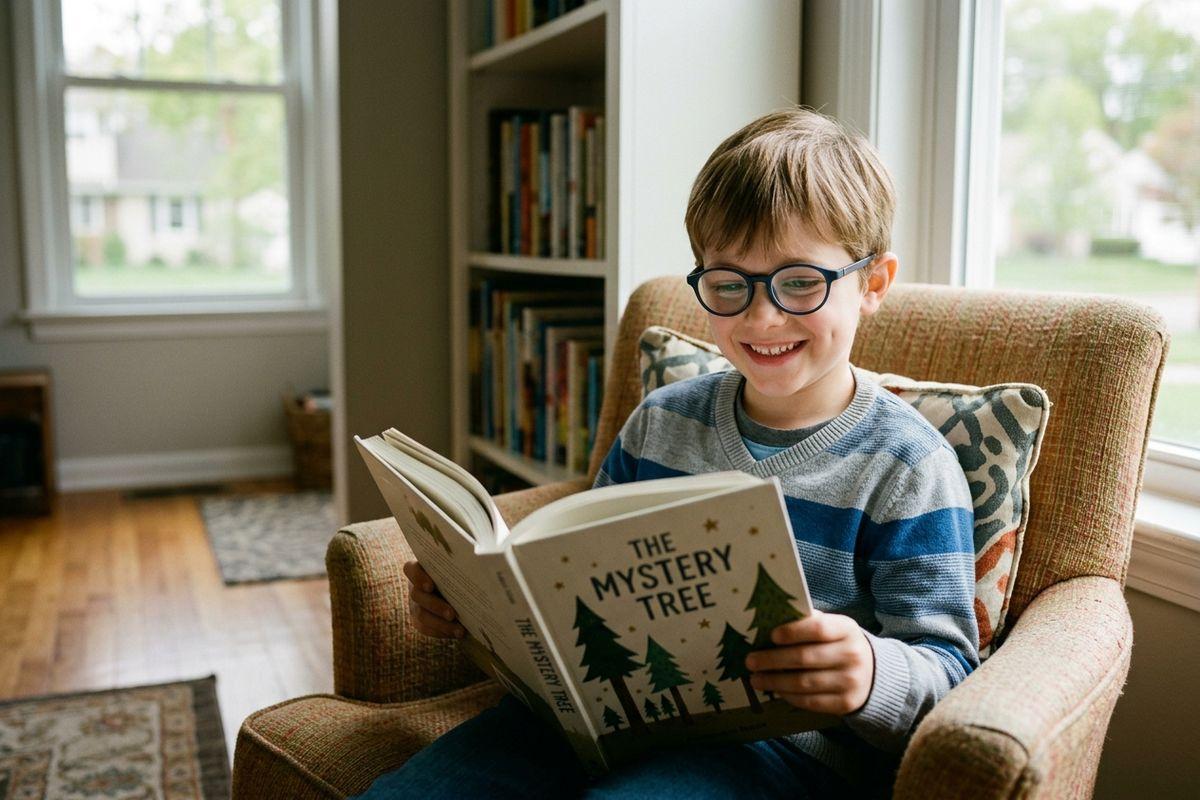
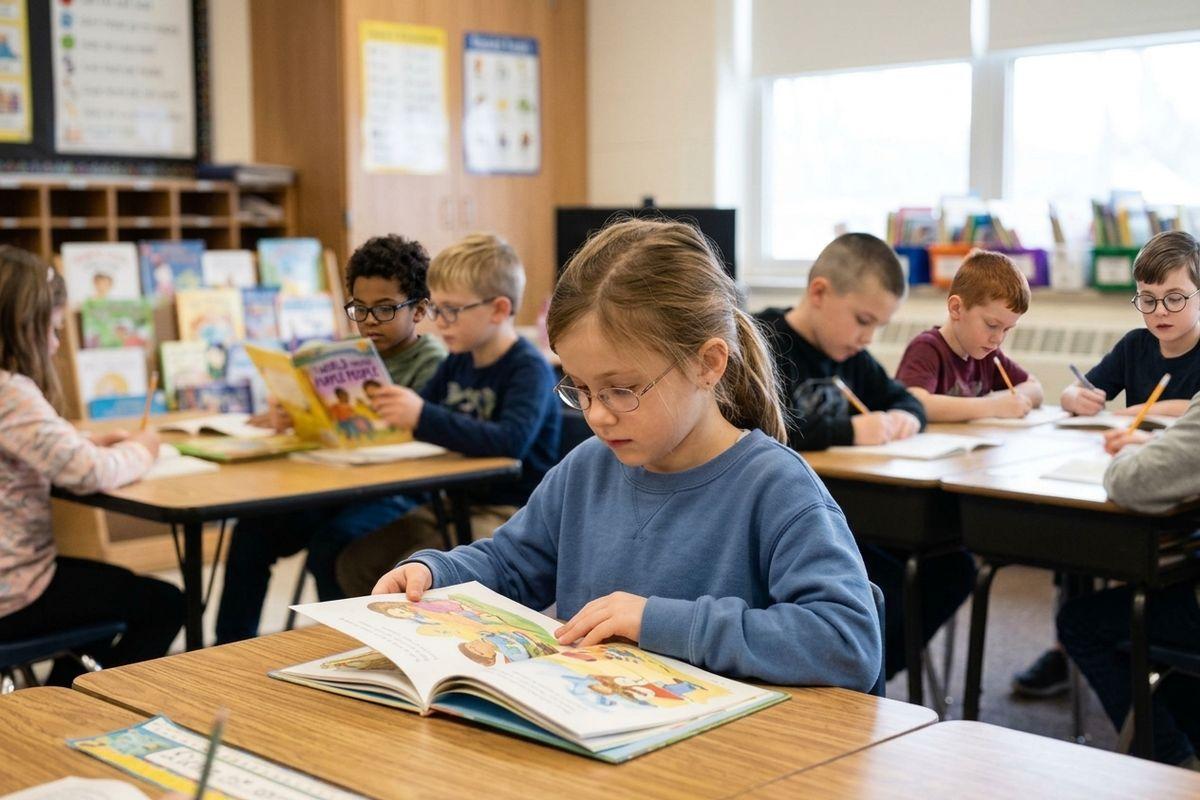
Kids don’t always say “I can’t see.” Instead, it’s more likely that you’ll notice behaviors that hint at a potential problem. Watch for these signs:
- Squinting to read the board at school
- Headaches or eye strain after sports or other distance tasks
- Moving closer to the TV or sitting unusually close to screens
Myopia tends to show up between ages 6 and 14, and it can progress quickly during those years. That’s why catching it early matters.
Myopia is projected to affect nearly half the world’s population by 2050, making early detection more important than ever.
Hyperopia: What It Is and Who It Affects
How Hyperopia Works
Hyperopia is the flip side of myopia. Here, the eyeball is a little too short, so light focuses behind the retina instead of directly on it. This causes close-up vision to become blurry, while distance vision remains clear.
Common Signs of Hyperopia
Hyperopia can be easy to miss, especially in young children, as their eyes can compensate by overworking. When symptoms do show up, look for:
- Headaches or tired eyes after reading or close-up work
- Blurry vision when looking at phones, books, or tablets
- Young children who avoid reading or seem to struggle with tasks that require focus
Adults over 40 often notice hyperopia-like symptoms, though the cause is usually a separate condition called presbyopia.
Correction Options for Myopia and Hyperopia
Everyday Correction
Glasses and contact lenses work by redirecting light so that it lands on the retina correctly. However, the type of lens needed differs depending on which condition you have. Myopia requires a concave lens, which is thinner in the center. Hyperopia requires a convex lens, which is thicker in the center. Both options are straightforward and effective for most people.
Myopia Control for Kids
For children with myopia, management means more than correct vision. Myopia control options also work to slow the rate at which myopia gets worse. At Towne and Country Eyecare Associates, we offer the following options for myopia management:
- MiSight lenses: Soft daily contact lenses worn during the day, designed specifically to help slow myopia progression in children.
- Ortho-k (orthokeratology): Lenses worn overnight that gently reshape the cornea while your child sleeps, so they can see clearly during the day without glasses or contacts.
- Atropine eye drops: A low-dose prescription drop used at night to help reduce the rate of myopia progression. Low-concentration atropine drops have shown meaningful results in slowing progression in children ages 4 to 12.
- Stellest lenses: Glasses designed to slow myopia progression in children
MiSight and ortho-k are common options, as they fit well into a child’s daily routine. Both can be good choices depending on your child’s age, prescription, and lifestyle.
When to Schedule an Eye Exam in Spencerport
Annual eye exams give your eye doctor a clear picture of how your vision is changing. For kids with myopia, that yearly check-in can catch a shift in prescription before it causes problems at school or during activities. The American Optometric Association recommends annual eye exams for children for exactly this reason.
If your child shows any of the signs mentioned above, don’t wait for their annual appointment. A comprehensive eye exam can diagnose myopia or hyperopia and give you more time to protect their vision.
Towne and Country Eyecare Associates serves families in Spencerport, NY, and the surrounding Monroe County area. Our team can answer your questions about myopia control, schedule your child’s first exam, or help you find the right contact lens fit. Reach out today to book an appointment.