Key Takeaways
- Myopia, or nearsightedness, makes far-away objects look blurry, while close-up things stay clear.
- Corrective lenses focus light so that it lands directly on the retina, bringing distance vision back into focus.
- Standard single vision glasses correct blur, but they don’t slow myopia from progressing.
- Myopia control options include MiSight contact lenses, Stellest lenses, ortho-k, and low-dose atropine drops.
- Early eye exams help you catch changes before they add up.
Blurry Road Signs & Kids Who Squint
Your child slides closer to the TV. Road signs turn into gray smudges until you’re almost past them. A pair of glasses fixes the blur in seconds, and it can feel a little like magic.
Glasses correct myopia by changing how light enters your eye. Myopia glasses go a step further by not only correcting vision, but also slowing the rate at which myopia progresses in children.
If your child is struggling to see distant objects, our team at Towne & Country Eyecare can develop a plan to manage their myopia and protect their future vision.
What Myopia Means for Your Vision
Myopia is the clinical word for nearsightedness. It means that far away objects look blurry, while close-up objects are unaffected. In other words, a child with myopia can read a book just fine, but might struggle to see the front of their classroom.
Signs You or Your Child May Need Glasses
Kids rarely say “I can’t see.” They just adjust. This means that most common signs of myopia in children have to do with their behavior. Pay attention to:
- Squinting at the classroom board or the television
- Sitting unusually close to screens
- Headaches after school or homework
- Frequent eye rubbing
How Glasses Bring Distance Vision Back Into Focus
A lens designed to correct myopia is thinner in the middle and thicker at the edges. This causes light to spread apart slightly before it reaches your eye. Since myopic eyes over-focus light, this causes light to fall directly on the retina, the light-sensitive layer at the back of your eye. The result is clearer vision.
However, standard single vision lenses only do one job. They correct blur. They don’t change how myopia progresses over time.
Do You Need to Wear Glasses All the Time?
It depends on how strong your prescription is and what your day looks like. A mild prescription might only be relevant for driving at night or watching a movie.
For kids and teens, full-time wear is usually advised. Children’s eyes are still growing, and their eyewear is often designed to slow the progression of myopia, so full-time wear is often beneficial.
Myopia Control Options Beyond Standard Glasses
Myopia Control Lenses: MiSight and Stellest
Stellest glasses are designed for myopia control. While they look like regular glasses, the edges of the lenses contain tiny lenslets that change how light is focused on the eye. This change in focus works as a signal to slow the rate at which the eye grows too long from front-to-back, thereby slowing the rate at which myopia progresses.
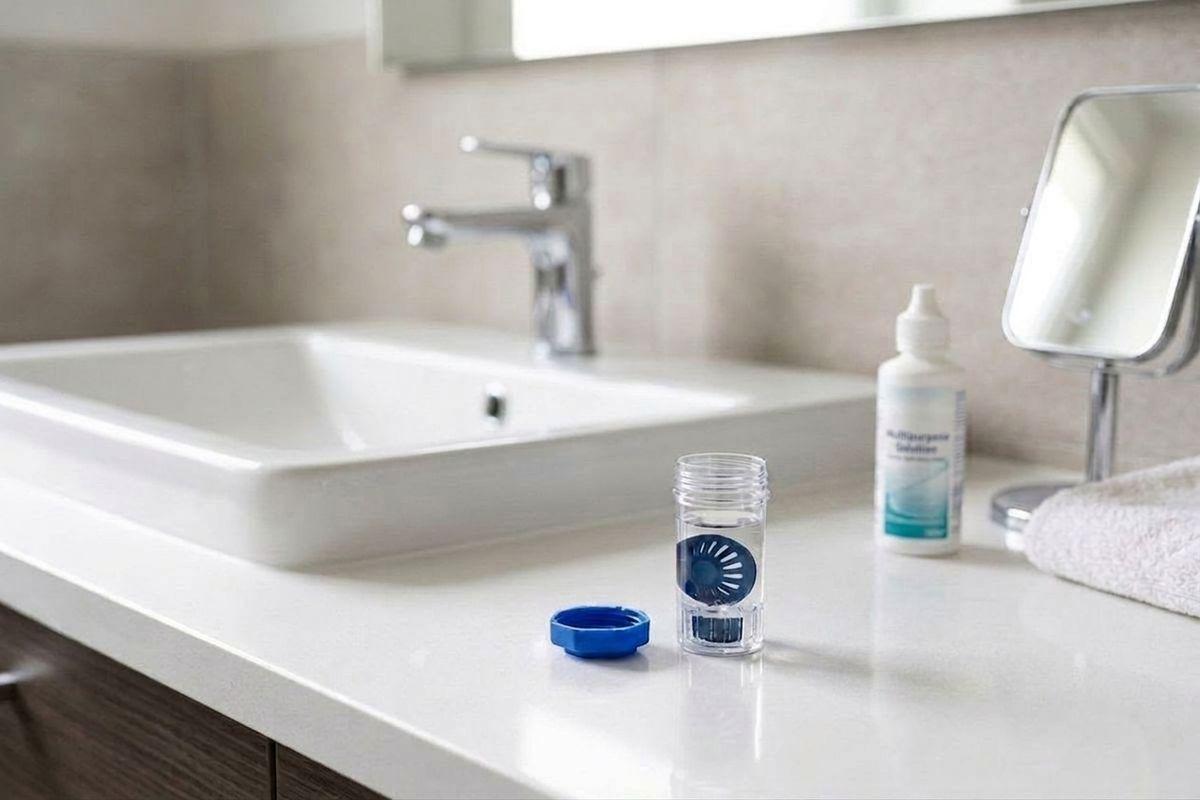
For children who don’t want to wear glasses, MiSight contact lenses are daily disposable soft contacts designed for children to wear. Your child puts in a fresh pair each morning and throws them out at night, so there’s no cleaning routine to manage. Like myopia control glasses, MiSight contacts work to slow myopia progression.
Ortho-K Lenses
Orthokeratology, or ortho-k, are lenses designed to be worn overnight, while your child sleeps. The lenses come out in the morning, but your child’s vision remains clear during the day.
The appeal of ortho-k is simple: swim practice, soccer, and school all happen without glasses or daytime contacts.
Low-Dose Atropine Drops
Low-dose atropine eye drops are applied before bed, one to each eye. They’re often paired with myopia control glasses or contact lenses rather than used on their own.
When to Start & What to Expect Next
Myopia tends to start and progress the fastest during a child’s school years, so regular eye exams for children are crucial. In most cases, the condition stabilizes in the late teens or early 20s.
How the Optometrists in Spencerport Can Help
A full eye exam checks the health of your child’s eyes and identifies the right prescription. From there, Dr. Mary Vadas and Dr. Megan Hart can build a myopia plan around your child’s age, prescription, and daily routine. Frames and lenses get fitted in the office, so everything can happen in the same place.
Towne and Country Eyecare Associates serves families across Spencerport and the surrounding Monroe County suburbs. Book an eye exam today and find out what fits your family.